

Are Textile Dyes Harmful?
Myth: All Dyes Are Harmful
Truth: Not all textile dyes are harmful; skin-friendly dyes are available in the market.
But you need to know what textile industry dye does to your skin. We must be careful in buying clothes that are not harmful to your Kids.
In the National Library of Medicine, they did research on textile dyes, They found:
Benzothiazole Penetration:
- Demonstrated to penetrate through and accumulate in skin-mimicking membranes.
- After 24 hours, up to 62% is found in the acceptor cell, and up to 37% is absorbed in the skin-mimicking membrane.
Release into the Human Body:
- Results from the National Laboratory of Medicine suggest Benzothiazole can be released from textiles.
- It can penetrate the skin and enter the human body, causing potential health risks.
Health Concerns:
- Findings health risks not exclusive to Benzothiazole.
- Other chemical Particles in textiles may share similar risks.
Risk Assessment:
- Rough risk assessment conducted for clothing textiles using EPA and European regulations.
- Literature data for Benzothiazole informs the assessment.
Historical Evidence:
- Previous in vivo experiment with a phosphorous flame retardant in children’s sleepwear.
- Migration from fabric to skin, and detection of metabolite in urine confirm the potential for substances to enter the human body through textiles.
You were wondering! if textile dyes can be Bad for your skin?
While some dyes might raise concerns, some Dyes are designed with skin safety in mind. Before That, Let’s look into common skin problems that are caused by textile dyes.
Skin Reactions:
- Common Reactions:
- Mild irritation may occur in rare cases; switch to skin-friendly options if needed.
- Allergies:
- Individuals with sensitive skin or allergies should exercise caution.
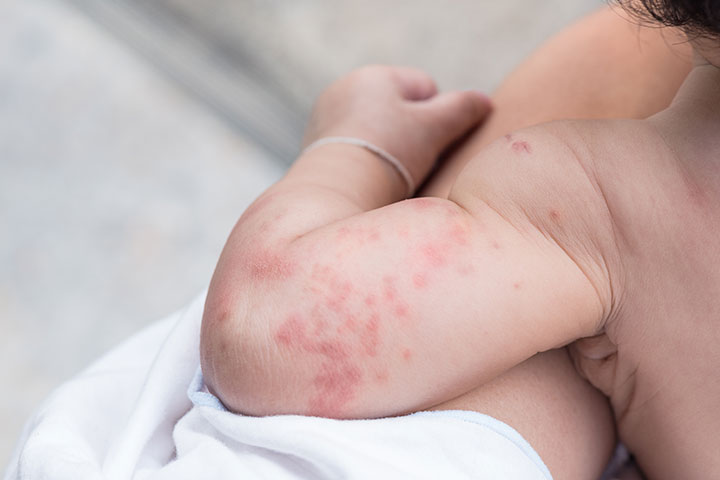
Understanding Common Skin Issues in Kids and Babies:
Eczema Aggravation:
- Dyes containing harsh chemicals may worsen eczema.
Preventive Measures:
- Garments labeled “hypoallergenic” or “for sensitive skin.”
Contact Dermatitis:
- Redness, itching, and rash upon contact with dyed fabrics.
Prevention:
- Choose hypoallergenic, natural dyes, and wash garments before wearing.
Skin Irritation:
- General discomfort, redness, or sensitivity.
Care:
- Select textiles with OEKO-TEX or GOTS certifications for dye safety.
Chemical Sensitivity:
- Reactions like Burning or Stinging sensations.
Choosing Safer Options:
- Look for clothing labeled “chemical-free” or “Hypoallergenic”
Respiratory Irritation:
- Airborne particles from Clothing dyes may cause respiratory Problems.
Things You Should Notice Before Buying:
Type of Dye Matters:
- Natural or certified skin-friendly dyes Are the alternative options for those who are having any skin-related issues.
Fabric Choice:
- Natural fibers like cotton are often safer and more breathable for your skin.
Choose Reputable Brands:
- Invest in Natural and AZO-free dyes from well-known brands with a track record for skin-friendly products.
Pre-Wash Your Fabrics:
- A good pre-wash can reduce the chances of irritation.
Patch Tests :
- If uncertain, perform a small patch test to ensure your skin reacts well.
Conclusion:
Understanding the skin issues caused by textile dyes enables consumers to make choices for healthier and more comfortable clothing experiences. Always prioritize products with certifications of Skin-Friendly dyes. With a bit of care, textile dyes can add color to your wardrobe without compromising your skin.
Be Aware and Skin Safe!
References:
National Library of Medicine: https://www.ncbi.nlm.nih.gov/pmc/articles/PMC6133113/